

News
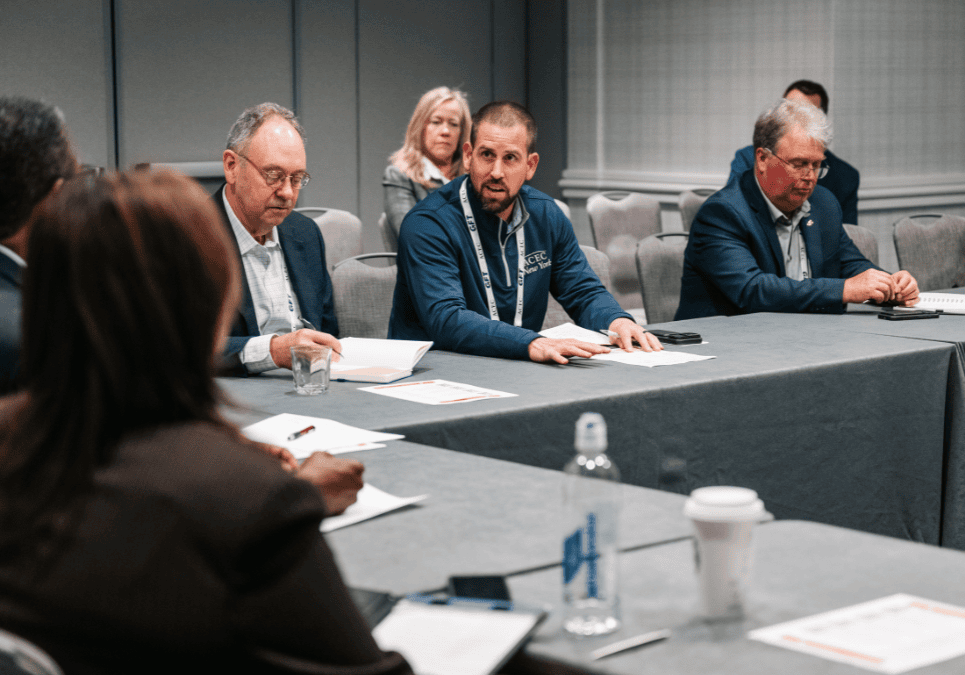
Engineering firms across the country are navigating growing business pressures, from workforce shortages and rising liability exposure to increasingly complex procurement requirements. To better understand how these challenges are affecting firms on the ground, ACEC launched the new Advocacy Connection Series, bringing together members from across six coalitions to share the issues shaping their businesses today.
Across sessions featuring the Coalition of American Structural Engineers (CASE), Coalition of Professional Surveyors (COPS), Geoprofessionals Coalition (GEO), Land Development Coalition (LDC), Mechanical, Electrical, and Plumbing (MEP) Coalition, and the Small Firm Coalition (SFC), more than 100 members participated in discussions focused on the operational, regulatory, and market challenges firms are facing right now.
Why does this matter for your firm? Because the concerns raised during these conversations directly inform ACEC’s advocacy priorities at both the federal and state levels. The issues members identified help shape where ACEC is focusing its efforts on behalf of engineering firms and the broader industry.
While each coalition brought a unique perspective, several key themes consistently emerged throughout the series.
Workforce Pressures Continue to Impact Growth and Project Delivery
Unsurprisingly, workforce challenges remained front and center across nearly every session. Firms continue to face difficulty recruiting and retaining qualified talent, particularly in specialized technical roles. Members also raised concerns about policy issues, including potential changes to the H-1B visa program, which could further limit access to skilled professionals.
For many firms, these workforce shortages are no longer temporary staffing challenges. They are increasingly affecting project timelines, business growth, succession planning, and the ability to meet client demand.
In some disciplines, the problem is compounded by structural barriers to entry into the profession. Structural engineers, for example, highlighted concerns related to the PE Structural exam, noting that recent changes to the exam format and low pass rates may be limiting the pipeline of licensed professionals entering the field.
Across coalitions, there was broad agreement that workforce development will remain one of the industry’s most significant long-term challenges.
Liability and Risk Pressures Are Increasing
Another major concern raised throughout the series was the growing pressure related to liability and risk. Members pointed to rising litigation, increasing insurance costs, and broader concerns around tort exposure as significant business challenges.
In some cases, firms noted that these costs are increasing faster than fees, creating additional financial pressure and uncertainty, particularly for disciplines that are more frequently subject to claims.
These concerns were especially pronounced among structural engineers, but they were echoed across multiple coalitions. Members emphasized that liability exposure is no longer just a legal concern, it is increasingly shaping business decisions, project selection, and overall firm risk management strategies.
The discussions reinforced the importance of continued advocacy around tort reform and efforts to better align liability with actual responsibility.
Procurement and Contracting Challenges Persist
Members across several coalitions also discussed ongoing challenges related to procurement requirements and contracting practices. Issues such as DBE participation requirements, local hire mandates, and broader MWBE-related policies continue to create operational and compliance challenges for firms navigating public-sector work.
At the same time, firms are balancing these requirements with growing concerns around contractual risk and increased exposure under laws like the False Claims Act.
For many participants, the challenge is not simply compliance itself, but the growing complexity and inconsistency surrounding how these requirements are implemented across jurisdictions and agencies. Members stressed the importance of clear, fair, and consistent policies that support project delivery without creating unnecessary administrative or legal risk.
Member Input Is Shaping ACEC Advocacy
One of the clearest takeaways from the Advocacy Connection Series was the value of direct member engagement in shaping ACEC’s advocacy efforts.
The challenges firms shared during these discussions are not simply being documented, but they also help guide ACEC’s conversations with policymakers and inform where the organization is focusing its advocacy efforts moving forward.
From workforce policy and licensure concerns to liability reform and procurement practices, member feedback is helping ensure ACEC’s priorities remain grounded in the real-world business challenges firms are facing every day.
What’s Next
As workforce, regulatory, and liability pressures continue to evolve, ongoing member engagement will remain critical to ensuring ACEC advocacy reflects the needs of engineering firms across the industry.
Future Advocacy Connection Series sessions will continue to provide members with an opportunity to share challenges, identify emerging issues, and help shape the conversations impacting the profession.
Members are encouraged to stay engaged with their coalition and continue sharing what they see within their firms and markets. The more ACEC hears directly from firms, the stronger and more informed its advocacy efforts can be on behalf of the industry.



Date
May 12, 2026
Category
Topic